
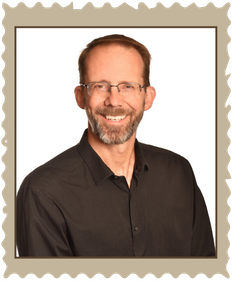
My journey as a writer began in college, where I spent countless hours writing papers for my professors. Looking back, those early efforts were far from impressive. This was the era before autocorrect, grammar checkers, and AI writing assistants. Every sentence had to be wrestled onto the page the old-fashioned way.
While many of my classmates seemed to write with natural eloquence and ease, I had to work twice as hard to draft papers that met the standard. Writing was never a gift that came naturally to me. It was a skill I had to develop through persistence, practice, and a willingness to improve. Over time, what began as a weakness slowly became a beloved practice.
When I was called to ministry in 1989, I discovered a new passion for writing far more exciting: writing sermons. I wrote and delivered hundreds of sermons during my years as a pastoral leader. I enjoyed the weekly challenge of crafting a message, scripting it for delivery, and bringing those words to life on Sunday morning. After serving as a pastoral leader, I enrolled in a doctoral program and wrote and defended a dissertation. That experience opened opportunities to serve in an academic setting where I examined hundreds of essays written by students beginning their careers in ministry. I tried to extend the same grace to them that I was extended when my writing journey began. The writing life has taken me far, and I have loved every second of it.
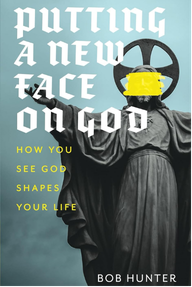
A new challenge came when I left the academic setting a few years ago. Could I write popular books and succeed? Would people read and enjoy what I have written? Now in my mid-50’s, I had so much to say, so many stories to tell, and life lessons to share. The opportunity came in 2023 when I began writing Putting a New Face on God: How You See God Shapes Your Life. I spent one year on the project, writing, rewriting, and refining my message. It was a humbling process. A writer never feels a book is finished. Even now, I re-read my content and wish I had spent more time refining the manuscript, using different examples, and more concise wording. But the book’s thesis is still one I am passionate about, and I hope it is one my kids, and someday my grandkids, will remember.
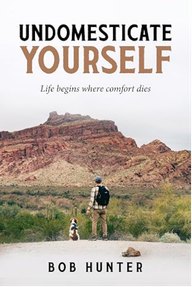
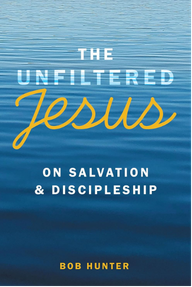
Before I write anything, I ask myself two questions: First, does this really need to be written? If the answer is yes, then I ask a second question: How can I communicate this message in my own unique voice? I don't want to simply repeat what others have already said. I want to say it in a way that only I can—bringing my own perspective, personality, and experience to every word. Answering those two questions laid the foundation for the three books I self-published.
In today's world, books have fallen out of favor. Print is no longer king. But that didn't stop me. I chose to adapt. For each of my books, I created short-form video content to introduce the ideas and spark curiosity. I also produced two audiobook editions, recognizing that many people now prefer to listen rather than read. Recording an audiobook challenged me in ways that using a keyboard could not.
The reality is that writers can no longer depend on bookstores or traditional publishing alone to find an audience. We must meet readers where they are—on their phones, in their earbuds, and across digital platforms.
With the advent of AI, new challenges are on the horizon. Will original writing be replaced by polished AI-generated scripts? I hope not!
I still believe that God inspires, and writers give voice to that inspiration through words, perspectives, and stories that awaken people to new ways of living, being, and thinking.
AI can organize information and refine prose, but it cannot replace the work of God breathing life into a message.
The writers of Scripture could not remain silent because the Word of God burned within their hearts. Throughout the history of Christian spirituality, devotional writers have carried that same tradition forward, expressing truths they believed God deposited in their hearts. Inspiration is more than creativity; it is God breathing on something and giving it life.
My prayer is that God will take my words to places I can never physically go, placing them into the hands and hearts of people I will never meet. If He chooses to use what I write to encourage, challenge, or transform even one life, then every hour spent writing will have been worthwhile.
May it be so, Lord Jesus.